


Table of Contents
- Signs of Damaged Skin Barrier: How to Know If It's Broken
- What Causes Skin Barrier Damage in the First Place?
- Step 1: Stop the Damage and Simplify Your Routine
- Step 2: Best Natural Ingredients for Skin Barrier Repair
- Step 3: Support Healing From the Inside Out
- Skin Barrier Repair Timeline: What to Expect Week by Week
- Troubleshooting: Why Your Skin Barrier Isn't Healing
- Conclusion
- Frequently Asked Questions
Last Updated: September 7, 2026
Signs of Damaged Skin Barrier: How to Know If It's Broken
Your skin barrier, the stratum corneum, is the outermost protective layer that locks in moisture and keeps irritants out. When it weakens, transepidermal water loss spikes, and your skin loses its ability to defend itself. The result is a cascade of uncomfortable symptoms that signal it's time to learn how to fix skin barrier naturally.
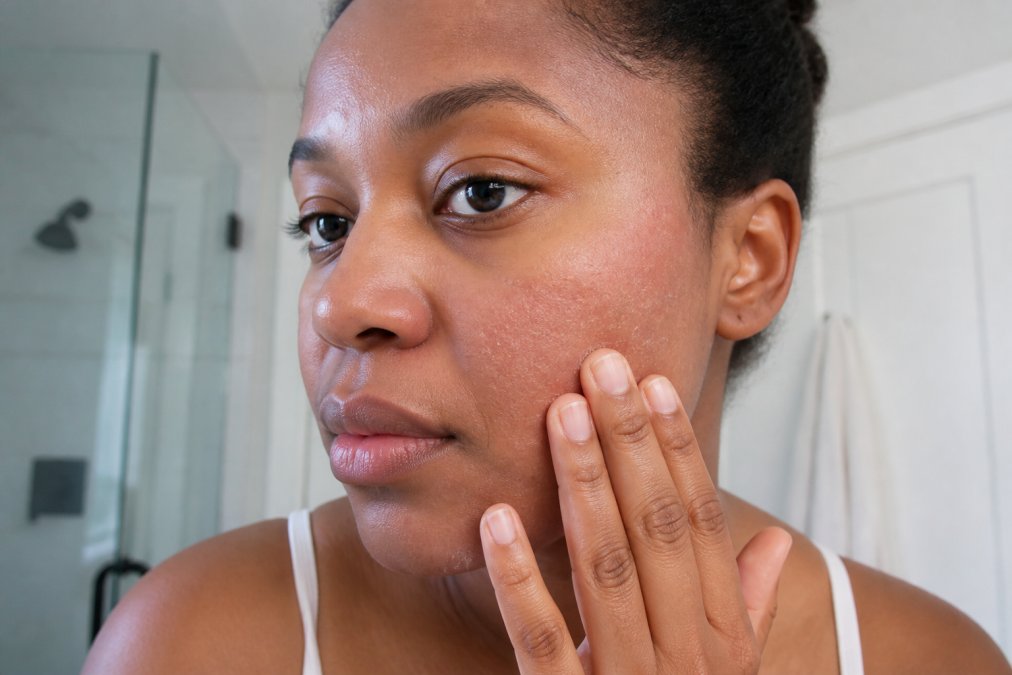
The most common signs include persistent redness, flaking, tightness after cleansing, and a stinging sensation when applying products you once tolerated. Many people also notice increased skin sensitivity, a rough texture, and breakouts that appear in areas where they never had them before. If your skin feels reactive to everything you put on it, the barrier is likely compromised.
What Causes Skin Barrier Damage in the First Place?
Most damage comes from over-exfoliation, not environmental exposure. Using retinoids, AHAs, or BHAs too frequently strips away the protective lipid barrier faster than your skin can rebuild it. The microbiome, your skin's ecosystem of beneficial bacteria, also suffers when aggressive cleansers disrupt its pH balance.
Other culprits include harsh foaming cleansers, hot water, and skipping moisturizer after washing. Environmental triggers beyond UV exposure, such as wind, dry indoor air, and pollution, accelerate moisture loss. Stress plays a role too, as elevated cortisol levels can impair the skin's ability to repair itself overnight.
Step 1: Stop the Damage and Simplify Your Routine
The first step in any skin barrier repair plan is subtraction, not addition. Stop all active ingredients, including retinoids, chemical exfoliants, and vitamin C serums, for at least two weeks. This gives your skin the breathing room it needs to rebuild its protective layer without constant interference.
Switch to a gentle, non-foaming cleanser that respects your skin's pH balance. Wash with lukewarm water, never hot, and pat your skin dry instead of rubbing. Apply your moisturizer to damp skin within 60 seconds of washing to trap hydration in the stratum corneum.
Ingredients to Avoid While Your Barrier Heals
- Retinoids and retinol derivatives
- AHAs and BHAs, including salicylic and glycolic acid
- Fragrance and essential oils, which can trigger sensitization
- Sulfate-based cleansers that strip natural oils
- Physical scrubs and exfoliating tools
Step 2: Best Natural Ingredients for Skin Barrier Repair
The best natural ingredients for skin barrier repair work by replacing what is missing. Ceramides are the building blocks of the lipid barrier and should be your first priority. Niacinamide supports ceramide production while calming inflammation and redness. Squalane, a lightweight emollient, mimics your skin's natural sebum without clogging pores.
Humectants like hyaluronic acid draw water into the skin, while occlusives such as shea butter and plant oils seal that moisture in. Fatty acids from oils like jojoba and argan restore the lipid matrix that keeps the barrier intact.
For a complete barrier repair routine, the [Djanillie's Beauté Pure Radiance Anti-Aging Cleanser](https://djanillies.com/products/pure-radiance-anti-aging-cleanser) offers a gentle, non-stripping cleanse that respects your skin's pH balance. Follow with the Phyto-Essential Hydrating Toner to replenish moisture, then seal everything in with the Nutri-Lux Total Therapy Creme, which delivers ceramides and fatty acids directly to the lipid barrier. During the day, finish with the SPF30/Sunscreen to protect the healing barrier from UV damage.


Step 3: Support Healing From the Inside Out
Topical care only tells half the story. A damaged skin barrier also reflects internal inflammation, and your diet directly influences how quickly your skin rebuilds. While most articles focus solely on what you put on your skin, the internal route is where 'natural' repair truly differentiates itself. Here’s how to leverage your diet and lifestyle to speed up recovery.
The Gut-Skin Axis: Why Digestion Matters
The connection between your gut microbiome and your skin is not a myth. When your gut lining is compromised, often due to a diet high in ultra-processed foods and low in fiber, it can trigger systemic inflammation that manifests as skin redness and irritation. A common pattern is that individuals with persistent barrier issues also report bloating or irregular digestion.
To support a healthy gut-skin axis, focus on:
- Prebiotic fiber: Foods like garlic, onions, and oats feed the beneficial bacteria in your gut, promoting a balanced microbiome that can reduce systemic inflammation.
- Fermented foods: Unsweetened yogurt, kefir, and sauerkraut introduce probiotics that may help calm an overactive immune response, which is often a driver of skin sensitivity.
- Reducing refined sugar: High sugar intake spikes insulin, which can increase sebum production and inflammation, making your barrier repair efforts less effective.
Anti-Inflammatory Fats: The Building Blocks You Can't Skip
Omega-3 fatty acids are not just a supplement trend; they are structural components of your skin's lipid barrier. While topical ceramides rebuild the barrier from the outside, omega-3s provide the raw materials from within. A diet rich in EPA and DHA, found in cold-water fish like salmon and mackerel, may help reduce the redness associated with a compromised barrier.
For plant-based options, flaxseed and chia seeds offer alpha-linolenic acid (ALA), though the conversion to EPA/DHA in the body is limited. If you are not eating fish twice a week, a high-quality fish oil supplement (1,000 mg combined EPA/DHA) is a reasonable addition, but always consult your physician first.
Hydration: More Than Just Drinking Water
Drinking enough water is necessary, but it is not sufficient. The skin's ability to hold onto that water depends on the presence of natural moisturizing factors (NMFs) and lipids. If you are chronically dehydrated, your skin's enzyme activity slows down, impairing the production of these NMFs. Aim for half your body weight in ounces of water daily, but pair this with topical humectants like glycerin to draw that water into the stratum corneum.
Sleep and Stress: The Cortisol Connection
Sleep is when your skin does its heaviest repair work. During deep sleep, the body increases blood flow to the skin and produces collagen (sleepfoundation.org). Chronic stress, on the other hand, elevates cortisol, which breaks down collagen and impairs the skin's ability to hold moisture. This is not just a feeling, cortisol also reduces the production of ceramides, the very lipids your barrier needs to rebuild. Prioritizing seven to eight hours of quality sleep is not optional for barrier repair.
Skin Barrier Repair Timeline: What to Expect Week by Week
A common question is how long it takes to fix a damaged skin barrier. Most dermatologists agree that visible improvement appears within two to four weeks, but full repair can take several months depending on the severity of the damage.
| Timeline | What to Expect | What to Keep Doing |
|---|---|---|
| Week 1 | Reduced stinging, less tightness | Gentle cleansing, no actives |
| Weeks 2-3 | Flaking subsides, redness fades | Consistent moisturizing on damp skin |
| Weeks 4-6 | Skin feels calmer, less reactive | Slowly reintroduce one active at a time |
| Months 2-3 | Barrier integrity restored | Maintain gentle routine, daily SPF |
The recovery timeline depends heavily on how disciplined you are. Every time you reintroduce an active ingredient too early, you reset the clock. Patience is not just recommended here, it is the entire treatment.
Troubleshooting: Why Your Skin Barrier Isn't Healing
If you have followed a gentle routine for several weeks and see no improvement, something else is at play. This is the most frustrating phase of barrier repair, and it is rarely addressed in depth. Here is a systematic checklist to identify the hidden culprits that stall your progress.
1. Check Your Water Quality
Hard water, water with high concentrations of calcium and magnesium, is a silent barrier breaker. These minerals bind to the surfactants in your cleanser, leaving a residue on your skin that can cause irritation and prevent your moisturizer from absorbing properly. If you notice that your soap doesn't lather well or you have white spots on your glassware, you likely have hard water.
The fix: Install a shower head filter that uses ion-exchange resin to soften water. While this does not treat the entire household supply, it significantly reduces mineral exposure on your face and body. Alternatively, use a pre-moistened cotton pad with a pH-balanced toner immediately after cleansing to remove any mineral residue.
2. Evaluate Your Indoor Air Quality
Dry indoor air, especially during winter months when heating systems run constantly, accelerates transepidermal water loss (TEWL). If your home's relative humidity drops below 30%, your skin will struggle to maintain moisture regardless of how thick your moisturizer is. The skin's barrier repair enzymes function optimally at around 60-70% humidity (peer-reviewed research).
The fix: Use a humidifier in your bedroom, aiming for 40-50% relative humidity. A simple hygrometer costs about $10 and takes the guesswork out of the equation. Run it while you sleep, as that is when your skin is most active in repair.
3. Audit Your Makeup Remover
The most common culprit is hidden irritation from makeup removers, which often contain harsh surfactants that strip the barrier even when your cleanser is gentle. Many biphasic makeup removers contain alcohol or high concentrations of emulsifiers that disrupt the lipid matrix.
The fix: Switch to a cleansing balm or oil that rinses clean without requiring a secondary cleanser. Look for products with minimal ingredients, often just a blend of plant oils and an emulsifier like polyglyceryl-3 diisostearate. If you must use a water-based remover, apply it with a soft cotton pad and rinse immediately with lukewarm water.
4. Reconsider Your Occlusive Layer
Another frequent mistake is under-moisturizing. During barrier repair, your skin needs more lipids than you might think. A single layer of moisturizer is often insufficient, especially at night. The stratum corneum needs a continuous lipid film to prevent water loss. If you are using a lightweight lotion, you are likely not providing enough occlusion.
The fix: Apply a pea-sized amount of a rich cream, then follow with a thin layer of a pure occlusive like petrolatum or squalane. This is not about suffocating your skin, it is about creating a physical seal that stops TEWL. Adding this final step may lead to improvement.
5. When to See a Dermatologist
Persistent redness and flaking despite a proper routine may indicate an underlying condition such as seborrheic dermatitis, rosacea, or even a contact allergy to a preservative in your 'gentle' products. If your skin has not improved after six to eight weeks of consistent gentle care, consult a board-certified dermatologist. The American Academy of Dermatology's guidance on sensitive skin recommends professional evaluation when self-care does not resolve persistent irritation. A dermatologist can perform patch testing to identify hidden allergens and prescribe targeted treatments like topical calcineurin inhibitors that are not available over the counter.
Conclusion
Repairing a damaged skin barrier requires discipline, patience, and a commitment to simplicity. Stop the actives, switch to gentle cleansing, and layer ceramides, humectants, and occlusives to rebuild the lipid barrier from the outside while supporting it with sleep, hydration, and anti-inflammatory foods.
At Djanillie's Beauté, we formulate our skincare with the barrier in mind, using non-toxic, natural ingredients that nurture and rebalance all skin types. [Our Nutri-Lux Total Therapy Creme](https://djanillies.com/products/nutri-lux-total-therapy-creme) delivers the ceramides and fatty acids your skin needs to recover, while our SPF30/Sunscreen protects your healing barrier from further damage. Every purchase also supports urban farming programs in Haiti through our 30% profit donation. Give your skin the gentle, purposeful care it needs to heal.
Frequently Asked Questions
What is the fastest way to repair the skin barrier?
The fastest way to repair a damaged skin barrier is to stop using harsh active ingredients like retinoids, AHAs, and BHAs immediately. Simplify your routine to just a gentle cleanser, a moisturizer with ceramides and fatty acids, and sunscreen. Apply your moisturizer to damp skin to lock in hydration. Consistency matters more than any single product, and you should see noticeable improvement within one to two weeks.
What vitamins and natural ingredients repair the skin barrier?
Several natural ingredients directly support skin barrier repair. Ceramides and fatty acids rebuild the lipid barrier, while niacinamide reduces inflammation and supports barrier function. Squalane and hyaluronic acid are excellent humectants and emollients that restore moisture retention. Internally, vitamins C and E act as antioxidants to protect against environmental damage. A diet rich in omega-3 fatty acids also supports the skin's protective layer from within.
How long does it take to repair a damaged skin barrier?
A typical skin barrier repair timeline spans two to six weeks, depending on the severity of the damage. You may notice reduced redness and stinging within the first week as inflammation subsides. The stratum corneum, or the outermost layer, takes about two weeks to regenerate. Full restoration of the lipid barrier and microbiome balance can take up to six weeks or longer if the damage is severe.
What common habits destroy the skin barrier?
Over-exfoliation is the most common culprit. Using harsh physical scrubs or chemical exfoliants too frequently strips away the stratum corneum. Other habits include washing your face with hot water, skipping moisturizer, and not using sunscreen daily. Stress and lack of sleep also increase transepidermal water loss. Even using too many products at once can cause sensitization and inflammation, weakening the skin's protective layer over time.